
Every week, another Nigerian business owner opens a TikTok account, uploads a polished advert or a photo slideshow of products, watches it gather forty views, and concludes that TikTok does not work for businesses like theirs. The conclusion is wrong. The approach is. TikTok is now where tens of millions of Nigerians, especially buyers under forty, spend their scrolling hours, and small businesses with no advertising budget routinely outsell bigger brands there. The difference is never the product. It is whether the business posts like a creator people enjoy watching, or like a company interrupting the fun.
This guide covers what actually works in 2026: the way the platform decides who sees your video, the formats that move product for Nigerian sellers, and the unglamorous bridge between a viral view and money in your account. None of it requires a camera crew or a dance routine. It requires honesty about prices, a face people can trust, and the patience to post consistently for ninety days before judging the result.
Why TikTok is not just another social app
TikTok distributes videos, not accounts. On most platforms, your post is shown mainly to people who already follow you, which is why new accounts feel invisible. TikTok tests every video on a small batch of strangers first, and if they watch, comment, and share, it pushes the video to thousands more, follower count almost irrelevant. A boutique in Lekki with three hundred followers can wake up to fifty thousand views because one video earned them. No other platform hands a small business that kind of free audition.
Entertainment is the entry fee, selling is what happens inside it. People open TikTok to laugh, learn, and gossip, not to shop, so content that feels like a television advert gets swiped past in under two seconds. The businesses winning in 2026 wrap the selling inside something watchable: a story, a transformation, a market run, a funny customer moment retold with permission. Your product appears as the hero of an interesting minute, not as the subject of an announcement.
Repurposed content carries a smell viewers detect instantly. The flyer you designed for WhatsApp status, the radio style voiceover, the video with another platform’s watermark, all of it signals that you are not really here, and the algorithm agrees with the viewers. TikTok rewards video made for TikTok: vertical, filmed on a phone, spoken to the camera in the language your customers speak at home, whether that is English, Pidgin, Yoruba, Hausa, or Igbo.
The formats that actually sell
Show the work, not just the result. Process videos are the backbone of business TikTok in Nigeria: the tailor cutting the cloth, the baker icing the cake, the mechanic finding the real fault, the hair stylist transforming a client in thirty seconds of sped up footage. Before and after videos work because they prove skill instead of claiming it. A customer who has watched you work trusts your price in a way no caption can manufacture, and these videos are free to make with the phone already in your hand.
Say your prices out loud. Nigerian buyers are tired of inbox for price, and videos that state prices plainly, this wig is ₦45,000, this two bedroom cleaning is ₦60,000, consistently outperform coy ones. Price transparency filters out unserious enquiries, builds trust with serious ones, and gives viewers a reason to save and share the video. Market run videos, where you film sourcing stock and react to wholesale prices, perform the same trick from the other side, showing customers the reality behind your figures.
Put a face on the business and keep it there. Accounts built around one recognizable person, the owner, a sharp sales girl, a funny apprentice, grow faster than faceless product feeds, because people follow people. Use trending sounds early, while they are still rising, and adapt them to your trade instead of copying dances that embarrass your brand. Reply to good comments with a video response. The commenter feels honored, the reply becomes new content, and viewers watching the exchange see a business that treats people well.
Turning views into money
Build the bridge to WhatsApp before you chase virality. Most Nigerian TikTok sales close on WhatsApp, not inside the app, so your profile needs one clear path: a WhatsApp link in your bio, your location and delivery areas in plain words, and a pinned video answering the three questions every buyer asks, price, location, and how to order. A viral video that sends fifty thousand viewers to a confusing profile produces screenshots and regret. The same video with a clean bridge produces orders.
Work the comments like a shop floor. The first hour after posting decides how far a video travels, so be present in your comments during it, answering prices, pinning the ordering instructions, and asking follow up questions that keep the conversation alive. Save nothing for later: a question answered publicly sells to everyone reading, while the same question answered in a private message sells to one person. Treat every comment as a customer standing in your shop with other customers watching how you respond.
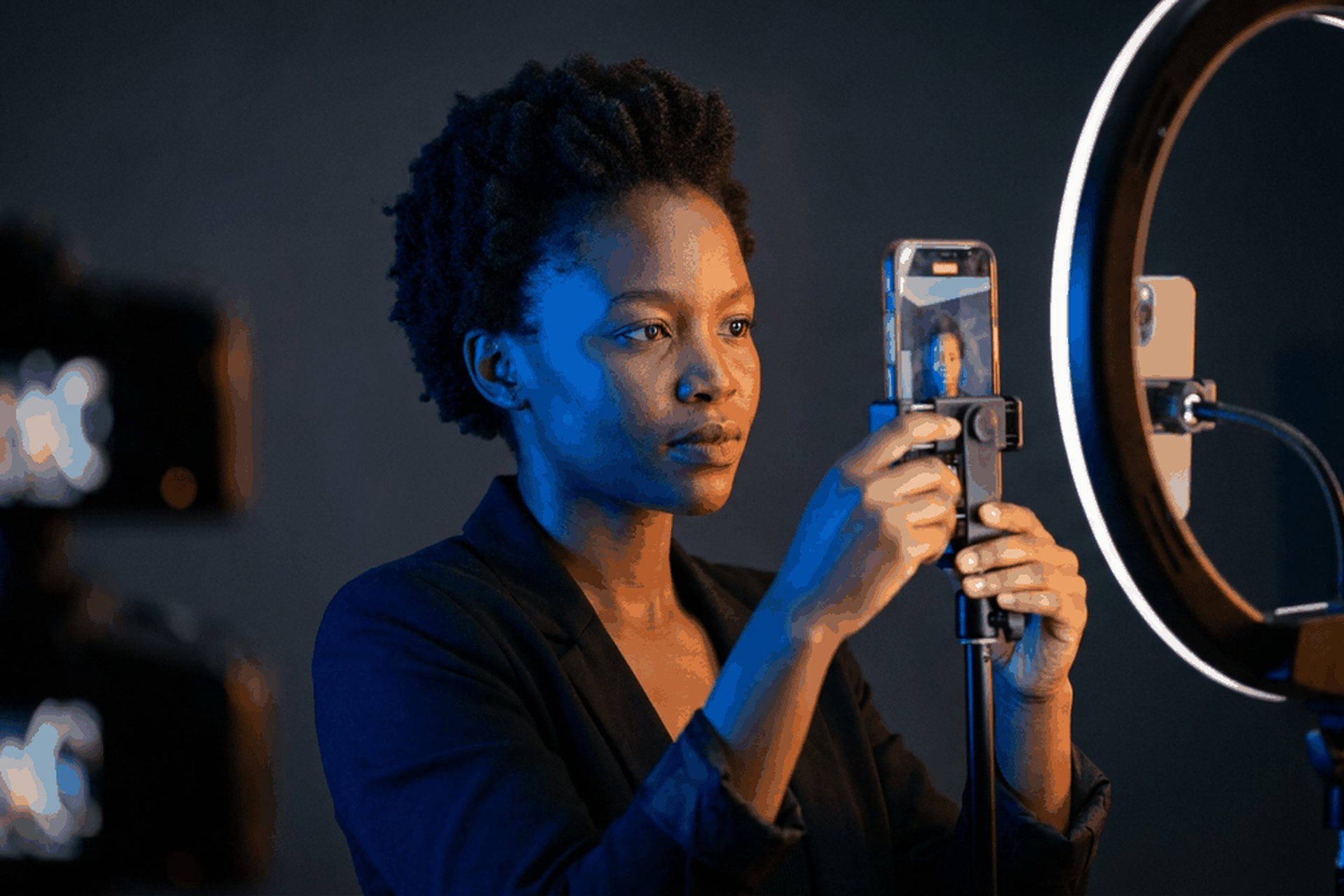
Use LIVE selling and modest boosts once the organic engine turns. TikTok LIVE lets you demonstrate products, answer objections in real time, and take orders from viewers who already trust your face, and sellers of fashion, wigs, skincare, and food items are moving serious volume through weekly sessions. Keep the setup cheap: a ring light costs ₦15,000 to ₦35,000, and your phone does the rest. When a video performs well on its own, a boost of ₦5,000 to ₦10,000 behind that winner stretches a proven thing. Boosting a video nobody watched organically just pays to confirm it.
The bottom line
TikTok works for Nigerian businesses that accept its terms: post like a creator, show the work, say the price, put a face on the brand, and build a clean bridge from viewing to WhatsApp. Post four or five times a week for ninety days before you judge it, because the account usually turns in month two or three, not week one. The businesses failing on TikTok are not failing because the platform ignores small brands. They are failing because they brought a billboard to a conversation.
Recommended: Grow Your Business Online
- Facebook Ads Domination (for Business Owners) — learn to run profitable Facebook ads and get more customers ($21). Check it out
- Facebook Advertising In 60 Minutes — fast-track course to launch your first ads in an hour ($50). Check it out
- FAF Mastery System — Facebook ads plus sales funnels that turn clicks into customers ($15). Check it out
Disclosure: These are affiliate links. If you buy through them, I may earn a commission at no extra cost to you.


Leave a Reply