
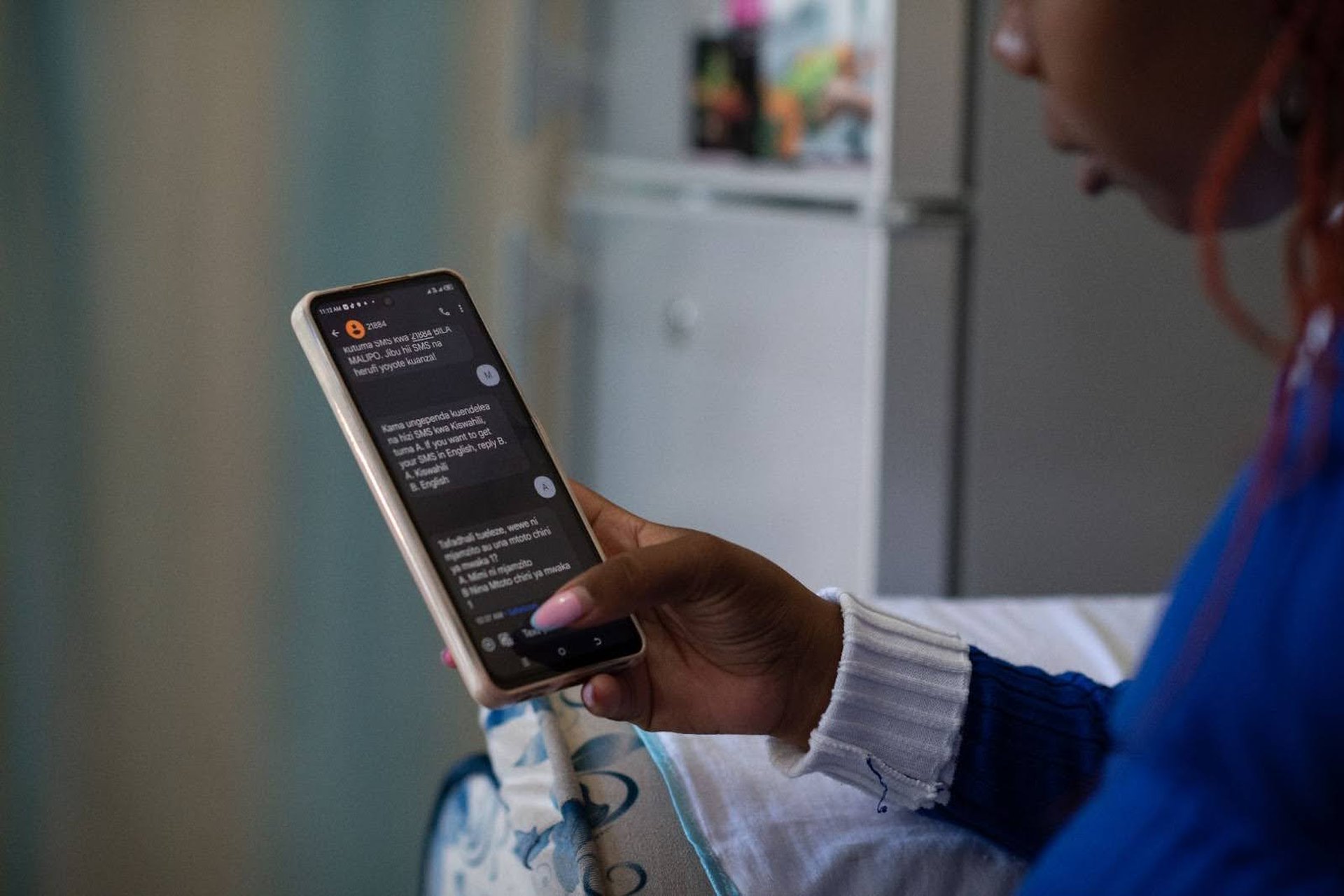
Open rates tell the story plainly. An email waits hours or days to be read, a social media post reaches a fraction of your followers, but a text message is usually opened within minutes, on any phone, with or without data. That is why Nigerian banks, churches, schools, and smart small businesses still send SMS in a WhatsApp world. It is also why the channel is regulated: the same power that makes SMS valuable makes spam unbearable. This guide covers the rules you must follow, what messages actually cost, and the practices that still produce sales instead of complaints.
The rules: DND, sender IDs, and consent
The Do Not Disturb register decides who can receive your marketing. Nigeria’s telecom regulator requires networks to honour the DND service, which lets subscribers block promotional messages, either fully or by category. A large share of Nigerian lines carry some form of DND, and a promotional message sent through the ordinary route simply never arrives at those numbers, though you may still be charged for the attempt. Corporate or transactional routes exist that deliver to DND numbers, but they cost more per message and are meant for genuine service messages like alerts and one time passwords, not adverts dressed as alerts.
Your sender ID must be registered and it must be you. The name that appears as the sender of your message, up to eleven characters, now requires registration with proof that the name belongs to your business, a step introduced to fight fraud messages impersonating banks. Register your business name or a clear short form of it through your bulk SMS provider, expect the process to take days rather than minutes, and never send marketing from generic or borrowed sender IDs. A message from an unregistered or random name reads as a scam to customers and increasingly gets blocked before delivery.
Consent is the rule underneath all the others. The Nigeria Data Protection Act expects you to have a lawful basis for contacting people, and in practice that means your list should be built from your own customers, members, and enquiries who gave you their numbers for your business, not purchased lists of strangers. Bought lists are usually stale, DND heavy, and full of people who will report you. Every marketing message should also carry a simple way to opt out, and opt outs must be honoured permanently. A small list of real customers outperforms a huge list of strangers on every measure that matters.
What SMS actually costs
Budget per message, not per campaign slogan. Through Nigerian bulk SMS gateways, a standard message to non DND numbers commonly costs between ₦3 and ₦7 per unit at small business volumes, with the price falling as you buy units in bulk and rising sharply on routes that deliver to DND lines. One message is up to 160 characters; write longer and you pay for two or three messages per person without noticing. A campaign to 2,000 customers at ₦5 a message costs ₦10,000 per send, which is cheap for a channel this direct, provided the list is yours and the offer is real.
The hidden costs are failed deliveries and bad data. Numbers that have changed owners, lines that are switched off, and DND numbers on the wrong route all consume money or silently waste it. Clean your list after every campaign by removing numbers that fail repeatedly, and ask customers to update their numbers at the point of sale. Also confirm how your gateway reports delivery before a big send, because a provider that reports submitted messages as delivered makes every campaign look better than it was.
Time your sends like a respectful guest. Promotional SMS in Nigeria is expected within reasonable hours, roughly 8 in the morning to 8 in the evening, and messages that land at midnight create complaints and opt outs out of proportion to any sales. Match timing to purpose: a flash sale message on the morning it starts, a delivery notice the moment the rider leaves, a school fees reminder a few days before the deadline, never after it.
What still works in 2026
Short, specific offers with one clear action. The messages that sell read like: “Mama Tee Fabrics: 20 percent off Ankara this Friday and Saturday only. Show this text in store. Shop 14, Balogun Market.” One offer, one deadline, one action, and a name the customer recognises. Messages that try to announce five products, a new branch, and a prayer in 160 characters announce nothing. If the reader must think hard about what to do next, the message has already failed.
Service messages build the trust that sells the next offer. Delivery updates, appointment reminders, payment confirmations, and restock alerts for an item a customer asked about are welcomed, not tolerated. A pharmacy that texts when a regular customer’s refill is due, or a boutique that alerts past buyers when a requested fabric arrives, earns the right to send the occasional promotion. Businesses that only appear in the inbox when they want money train customers to ignore them.
Segment your list instead of blasting everyone. Your 2,000 numbers are not one audience. Past buyers, enquiries who never bought, dormant customers, and your top twenty spenders deserve different messages, different offers, and different frequency. A restock alert means nothing to someone who never bought that product, and a win back discount insults a loyal customer who paid full price last week. Even three simple segments, done in a spreadsheet, lift results more than a bigger list ever will.
Combine SMS with WhatsApp instead of choosing between them. Use SMS for what it does best: guaranteed arrival, short alerts, and reaching customers whose data is off or who rarely open WhatsApp broadcasts. Use WhatsApp for the longer conversation, photos, and catalogues once the customer responds. A common pattern works well: the SMS carries the alert and the offer, interested customers tap through or reply on WhatsApp, and the sale closes in conversation. The channels are partners, not rivals.
The bottom line
SMS still works in Nigeria because it arrives, on every phone, within minutes. Work within the rules: respect the DND register, register a sender ID that is genuinely your business, message only people who gave you their number, and keep sends inside reasonable hours. Budget honestly at ₦3 to ₦7 per message, keep texts inside one 160 character unit, segment your list, and lead with service messages that earn attention. Do that and SMS remains what it has always been for small businesses, the shortest distance between your offer and your customer.
Recommended: Grow Your Business Online
- Facebook Ads Domination (for Business Owners) — learn to run profitable Facebook ads and get more customers ($21). Check it out
- Facebook Advertising In 60 Minutes — fast-track course to launch your first ads in an hour ($50). Check it out
- FAF Mastery System — Facebook ads plus sales funnels that turn clicks into customers ($15). Check it out
Disclosure: These are affiliate links. If you buy through them, I may earn a commission at no extra cost to you.


Leave a Reply