
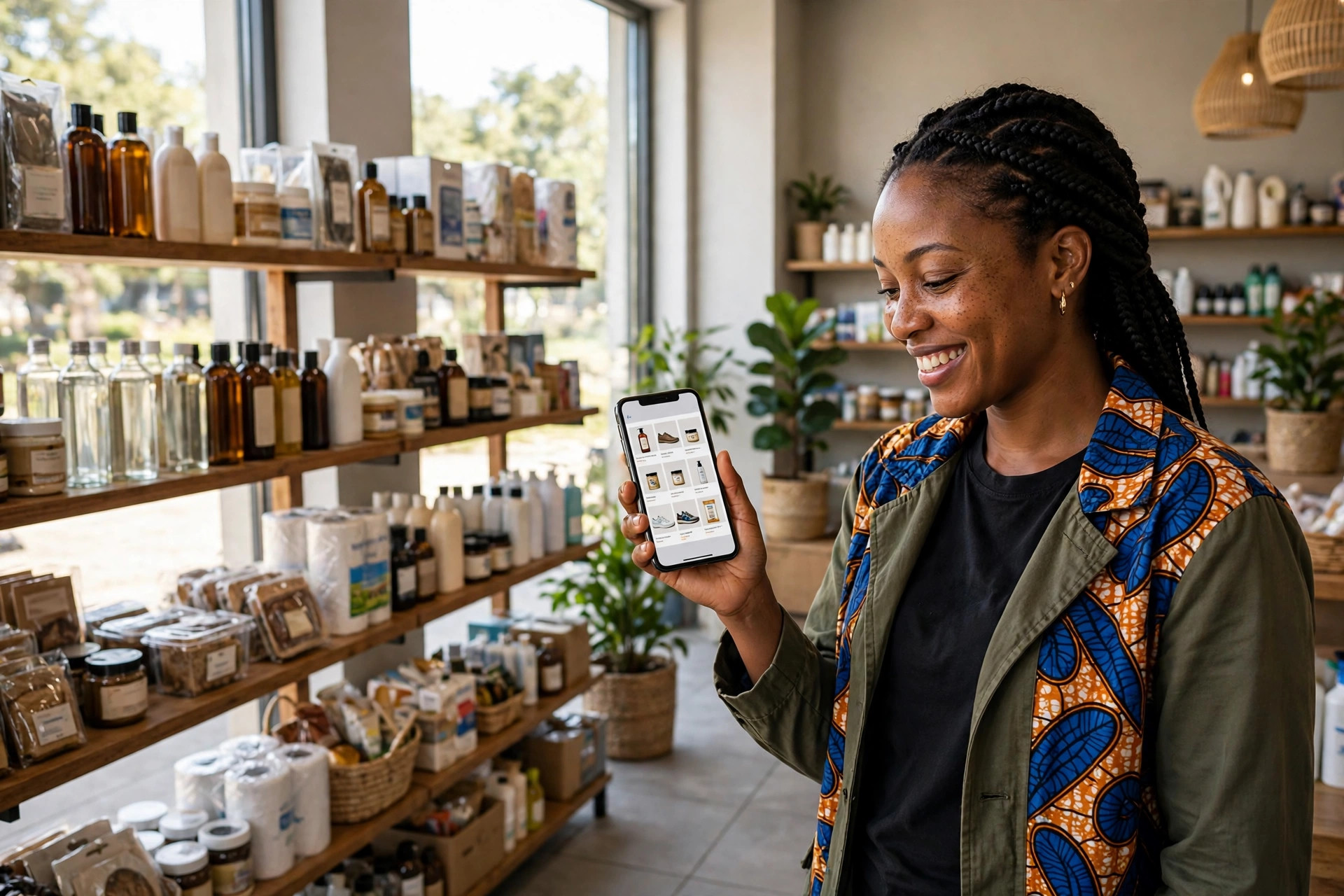
You looked at a pair of shoes on a store’s website yesterday, bought nothing, and today that exact pair is following you through Instagram, Facebook, and half the blogs you open. It feels like the internet is reading your mind. It is not. It is retargeting, one of the oldest and most profitable tools in digital advertising, and it is available to a business of any size, including yours. This guide explains plainly how it works, why it converts so well, and how to set it up without annoying the very people you want back.
How retargeting actually works
It starts with a small piece of code on your website called a pixel. Meta calls theirs the Meta Pixel, Google has its own tag, and TikTok has one too. When someone visits your site, the pixel notes the visit in their browser and reports it to the ad platform. No name, no phone number, just an anonymous record that this browser looked at this page on this date.
Your site visitors quietly become an audience you can advertise to. The platform groups them by what they did: everyone who visited in the last 30 days, people who viewed a specific product, people who started checkout and stopped. Later, when you run an ad aimed at one of those groups, the platform shows it only to them, across its apps and partner sites. That is the whole trick. The shoe ad follows you because the shoe store told Instagram, “show this to the people who looked at these shoes and left.”
Why it works so well
Most first visits were never going to end in a purchase. The large majority of people who land on a product page leave without buying, often for small reasons. They were comparing prices, the network dropped, salary has not landed yet, or they wanted to ask a spouse. They were interested, just not finished. Ordinary ads spend money finding new strangers. Retargeting spends it on people who already raised their hand, which is why retargeting campaigns commonly produce some of the cheapest sales a business ever gets.
It also repeats your name at the moment it matters. A visitor who saw your shortlet, your course, or your skincare set on Tuesday and sees it again on Thursday reads the second sighting as a reminder, not an introduction. Familiarity builds the trust that the first visit started, and trust is usually the missing ingredient, not information.
The audiences worth building
All website visitors, last 30 to 60 days. Your broadest and cheapest audience. Useful for brand reminders and general offers, but too wide to be your only group.
Product and service viewers. People who looked at something specific but never added it to a cart or enquired. Show them that same product or service, not your homepage. The ad should continue the conversation they started.
Checkout and enquiry abandoners, your hottest audience. These people nearly paid you. They deserve their own campaign, a direct reminder, answers to common objections like delivery cost or payment on delivery, and where honest, a small incentive to finish. This small group often outperforms every other audience you own.
Past buyers belong in a separate list. Either exclude them from ads for what they already bought, or show them the natural next product. Advertising a purchased item to its buyer is the fastest way to look careless.
How to set it up, step by step
Step 1: Install the pixel on your website. Create it free inside Meta Business Settings or Google Ads, then add the code to your site, directly in your site settings or through your developer. Your website platform will have a field or a plugin for exactly this. Do this even if you are not ready to advertise, because audiences only build from the day the pixel is installed. Every month without it is a list you did not collect.
Step 2: Create your audiences. Inside the ads manager, under Audiences, build the groups above with their time windows. They will show as populating slowly at first. That is normal for a small site.
Step 3: Build one campaign per audience, with matched ads. Abandoners see the product they left and a reason to finish. General visitors see your strongest offer or best seller. Keep the message and the landing page identical to what they saw before, so the reminder feels continuous.
Step 4: Set a modest budget and a frequency cap. Retargeting audiences are small, so ₦1,000 to ₦3,000 a day is a realistic test budget for many small businesses, and the cap matters more than the money: limit how often each person sees the ad, around a few times a week. The line between a helpful reminder and stalking is repetition, and crossing it buys you resentment instead of sales.
Mistakes that waste the money
Retargeting before you have traffic. The pixel cannot invent visitors. If your site gets twenty visits a month, fix traffic first with content, SEO, and ordinary ads, then retarget the flow you create.
Sending everyone to the homepage. A person who viewed a specific product should land back on that product. Every extra click you make them repeat is a leak.
Letting one campaign run forever unchanged. People buy, lose interest, or get tired of the creative. Refresh the ads every few weeks, exclude recent buyers, and shorten windows for hot audiences. A checkout abandoner from 90 days ago is nearly a stranger again.
The bottom line
Retargeting is simply paying a small amount to reappear in front of people who already visited you and left unfinished. Install the pixel today even if your ad budget starts next quarter, build audiences by how close each visitor came to buying, match each group with a specific reminder, and cap the frequency so you persuade rather than pursue. Of all the advertising a small business can buy, this is usually the first that pays for itself.
Recommended: Grow Your Business Online
- Facebook Ads Domination (for Business Owners) — learn to run profitable Facebook ads and get more customers ($21). Check it out
- Facebook Advertising In 60 Minutes — fast-track course to launch your first ads in an hour ($50). Check it out
- FAF Mastery System — Facebook ads plus sales funnels that turn clicks into customers ($15). Check it out
Disclosure: These are affiliate links. If you buy through them, I may earn a commission at no extra cost to you.


Leave a Reply